


How UNDA Is Transforming Education in Upper Nkongho Mbo is not just a statement it’s becoming a reality on the ground. In Upper Nkongho Mbo, education is more than classrooms and textbooks. It is hope. It is dignity. And it is the foundation that will shape tomorrow’s leaders.
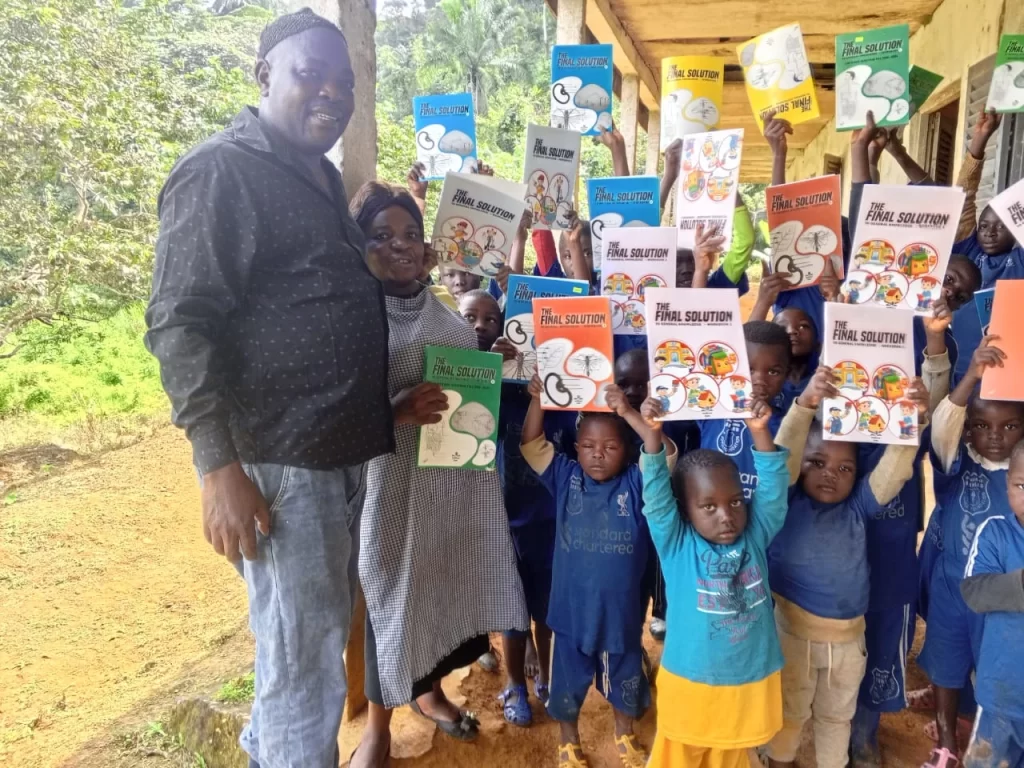
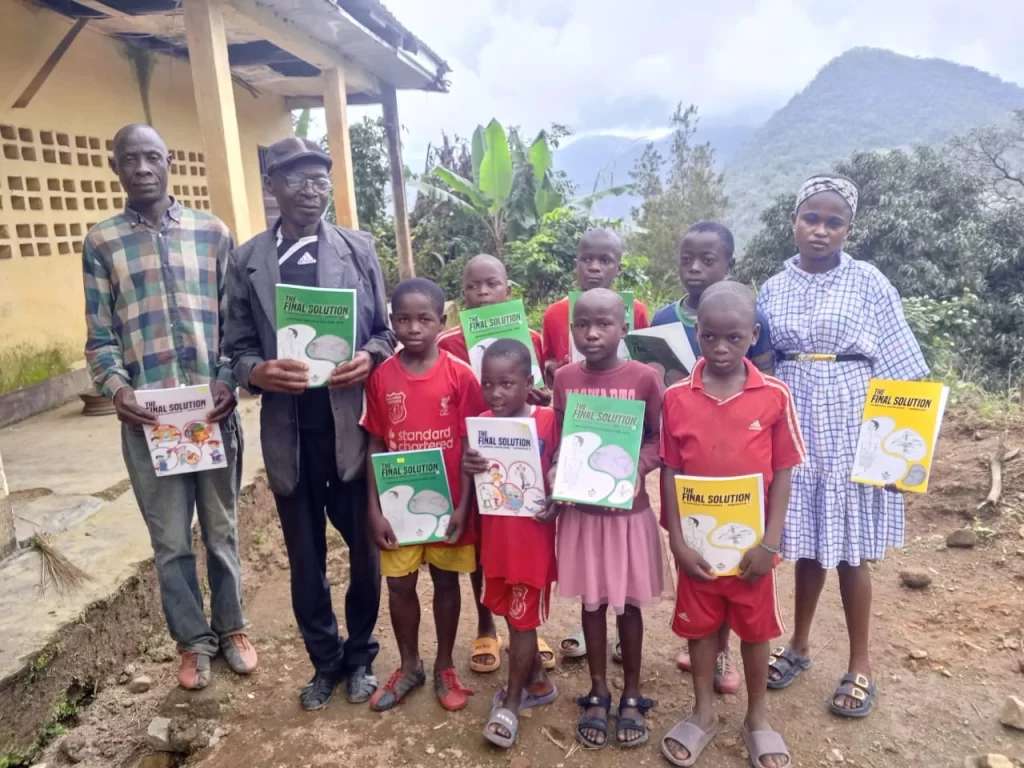
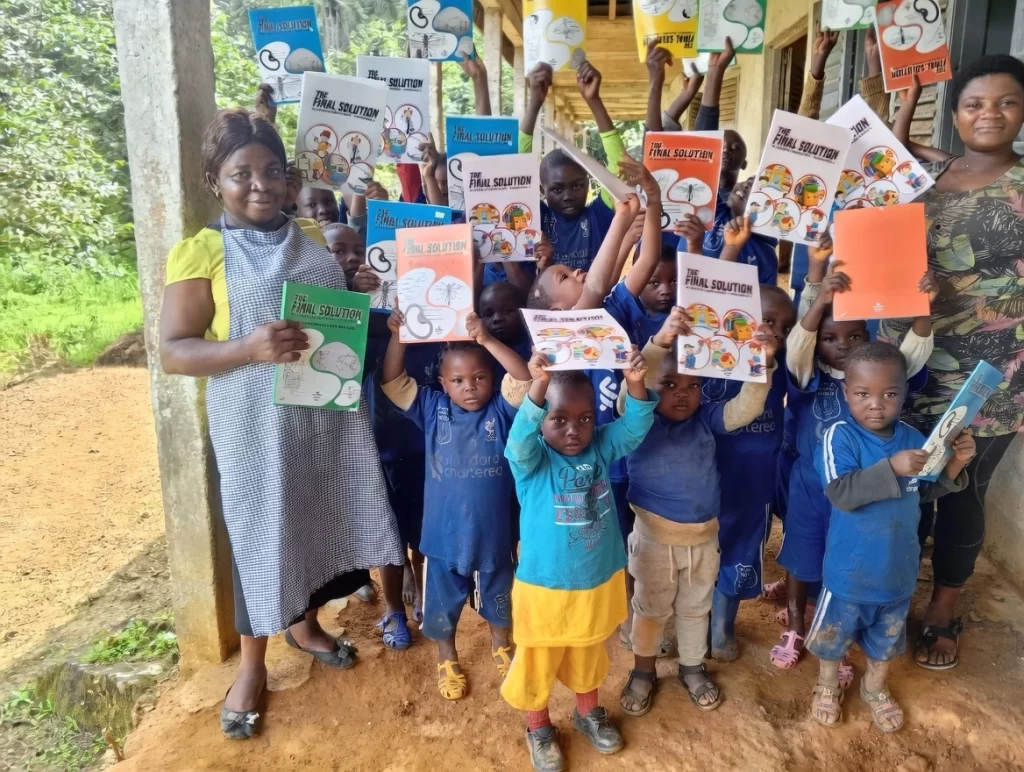
Recently, a major educational donation was made for primary schools across the Mbo hinterland. This support was donated by Mr. Damian Akekong Fowenjong to schools including G S Lebock, G S Fonki, G S NJUNGO, and G S Lebe. These schools serve children whose future depends heavily on what their community and partners provide.
In this post, we’ll explore how this donation through UNDA is improving learning opportunities and why it matters deeply for the people of Upper Nkongho Mbo.
The UNDA Gift to Primary Schools in the Mbo Hinterland
In many communities, education struggles when resources are limited students may lack learning materials, teachers may face classroom pressures, and parents may find it difficult to supplement what schools need.
That’s where UNDA’s contribution through Mr. Damian Akekong Fowenjong becomes important. The donation supports primary schools in the Mbo hinterland, making it easier for pupils to engage in learning activities that would otherwise be difficult to access.
When educational support reaches the schools directly, it strengthens the learning environment immediately. Pupils can participate more actively, teachers can teach more effectively, and school management can plan better with improved classroom support.
Why This Donation Matters for Pupils and Teachers
Education is a process, not an event. Even small improvements can create big differences over time especially for young learners.
Better Learning Materials
With support flowing to schools, pupils are more likely to get access to teaching and learning tools. When children can see, read, and practice what they learn, their confidence grows.
More Effective Teaching
Teachers do their best, but teaching becomes easier when schools are supported. Improved classroom resources help teachers deliver lessons in a clearer, more structured way.
Stronger Student Motivation
Children often measure school quality by what they experience daily. When donations come with visible benefits such as better learning provisions students feel encouraged to attend school and take lessons seriously.
How UNDA Is Transforming Education in Upper Nkongho Mbo (Named Schools Included)
How UNDA Is Transforming Education in Upper Nkongho Mbo can be understood through the schools that are benefiting right now. These are not distant institutions; they are learning homes for local children.
Schools Supported
- G S Lebock
- G S Fonki
- G S NJUNGO
- G S Lebe
Each of these primary schools plays a vital role in shaping early education in the Mbo hinterland. When one school receives support, the benefits spread children improve, teachers gain confidence, and parents become more hopeful about the future.
Impact on Learning: Better Access, Better Outcomes
A donation to primary education can lead to long-term positive results.
Attendance and Engagement
When learning is more enjoyable and supported, pupils are more likely to attend consistently and participate actively in class activities.
Building Literacy and Numeracy Foundations
Primary school is where children build the foundation for reading, writing, and basic numeracy. Improvements at this level often lead to better performance in later years.
Future Opportunities
When education becomes more accessible, children are more prepared for secondary school. That preparation can change family realities over time.
Community Ownership: Making Education Everyone’s Business
One powerful aspect of this initiative is that it highlights community-centered support. Mr. Damian Akekong Fowenjong’s donation shows that people who understand local needs can drive meaningful change.
Communities in Upper Nkongho Mbo can strengthen this momentum by:
- Encouraging parents to support school attendance
- Supporting school clubs and learning activities
- Encouraging pupils to take their studies seriously
- Working with school leaders to ensure resources reach classrooms effectively.
How Families in Upper Nkongho Mbo can Support the Change
Education support should not stop with donations. Families can reinforce the impact through everyday actions such as:
- Providing basic learning time at home
- Encouraging children to read and practice lessons
- Monitoring school progress without discouragement
- Celebrating small academic improvements
Even simple home support can help children benefit fully from what the school provides.
Measuring Progress: What Success Should Look Like
To ensure this transformation continues, it’s important to track progress. A good education improvement program should be visible in:
- Improved student attendance
- Increased participation in class
- Better performance in early literacy and numeracy
- Teacher feedback on classroom effectiveness
- Sustained support for multiple terms, not just once
These indicators help ensure that How UNDA Is Transforming Education in Upper Nkongho Mbo remains real and consistent.
How UNDA Is Transforming Education in Upper Nkongho Mbo is a story of hope, responsibility, and long-term impact. Through the donation by Mr. Damian Akekong Fowenjong to primary schools in the Mbo hinterland G S Lebock, G S Fonki, G S NJUNGO, and G S Lebe children are gaining stronger learning opportunities.
Education will never be fully solved by one donation alone. But this kind of support can ignite change, improve daily learning, and help children build futures they can be proud of.
If you’re inspired by this initiative, consider sharing it with others, supporting local schools where possible, and encouraging more partners to invest in primary education across Upper Nkongho Mbo.
Why solar Panels Electricity matters in Mbo villages
In Upper Nkongho Mbo, the question is no longer whether communities will get reliable electricity it’s how soon. solar Panels Electricity is offering a realistic path forward, especially for villages where grid power is limited, costly, or inconsistent.
That is why electrification efforts are becoming urgent. When power delays happen, education slows, businesses struggle, and health services suffer. Electricity is not a luxury. It is a foundation for development.
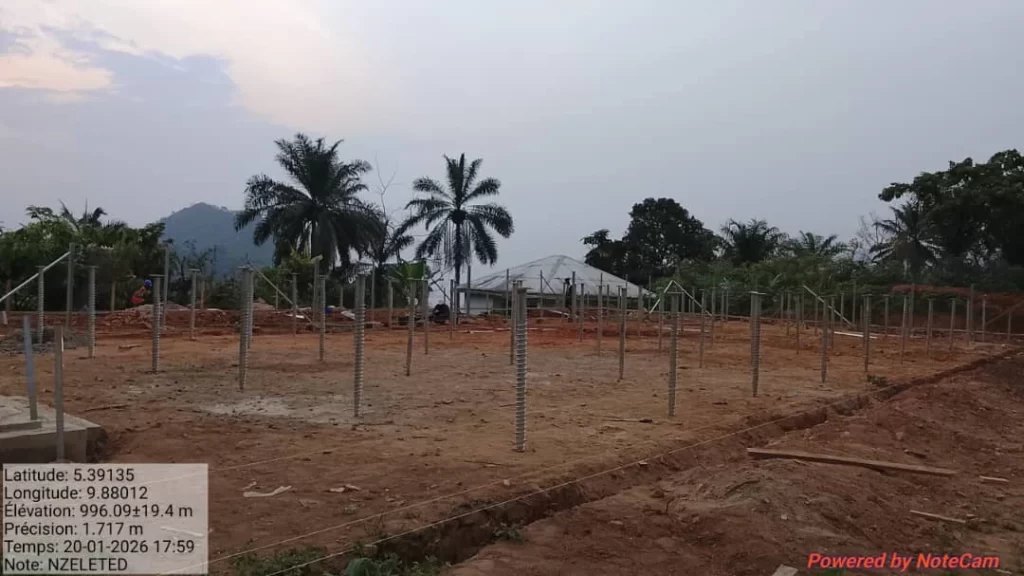
This post highlights a project that is already taking shape: the electrification of the village “brain” using solar panels, championed behind the initiative by Chief Honourable Dr. FONGE JULIUS FONGOUCK.
Why the electrification project cannot wait
A community can’t keep waiting for electricity to arrive “someday.” Every week without stable power widens the gap between villages that can use technology and villages that cannot.
When solar Panels Electricity is implemented properly, it helps communities leap forward. Pupils study with better lighting. Health centers can support refrigeration and equipment. Families can charge phones safely. Traders can keep goods longer. Work becomes more efficient.
Power changes how people live, not only how they switch on lights.
The vision behind the electrification project
The center of this initiative is the electrification of the village “brain” behind the project an essential base that supports coordination, communication, and community organization.
Instead of waiting for complex infrastructure, the project is built on solar energy: clean, scalable, and suited for rural locations. This approach fits the reality of Mbo villages, where sunlight is available and where decentralized power systems are often the most practical option.
In other words, solar Panels Electricity here is designed for functionality first then growth.
Solar panels: turning sunlight into daily opportunity
Solar panels work by converting sunlight into electricity, which can then be used for lighting, charging, powering small appliances, and supporting community systems.
What makes solar energy powerful in rural areas is its flexibility. Solar installations can be expanded as demand grows. That means the project can begin with essential loads and later add more capacity for additional community needs.
With good installation and maintenance, solar Panels Electricity can stay productive for years making it a long-term investment rather than a short-term promise.
What the “village brain” electrification changes
Electrifying the village brain is not only about power it’s about improving how the community runs.
Once the base is energized, it becomes easier to:
- coordinate activities across the village,
- support learning spaces with light and charge points,
- enable communication and information sharing,
- improve responsiveness during emergencies.
When systems work together, development becomes smoother. That’s the hidden value of this electrification project.
Who is driving the project: Chief Honourable Dr. FONGE JULIUS FONGOUCK
Behind this initiative stands Chief Honourable Dr. FONGE JULIUS FONGOUCK. His leadership is helping ensure that electrification does not remain an idea, but becomes a real project on the ground.
Community development works when local leadership pushes for practical solutions. That is exactly what makes this electrification effort meaningful for Upper Nkongho Mbo.
Benefits for schools, households, and small businesses
When solar Panels Electricity becomes available, the impact spreads across daily life.
Benefits for schools, households, and small businesses
When solar Panels Electricity becomes available, the impact spreads across daily life.
For schools and learners
- better study lighting after daylight,
- device charging for learning tools (where applicable),
- improved learning environment for teachers and pupils.
For households
- safer phone charging,
- improved comfort through lighting and basic appliances,
- better support for home routines.
For small businesses and trades
- refrigeration and preservation where available,
- better productivity through powered tools,
- more reliable operations even during grid interruptions.
Electricity strengthens livelihoods. It helps people move from survival to growth.
What happens next: sustaining the power system
A successful electrification project requires more than installation. It needs:
- correct sizing of solar panels and batteries,
- quality wiring and protection,
- training for local maintenance,
- a clear plan for monitoring and repairs.
For communities, sustainability is everything. Proper maintenance ensures that solar Panels Electricity continues to serve the village long after the first installation.
If the system is maintained well, the project’s long term value increases steadily.
In Upper Nkongho Mbo, many families depend on farming and seasonal harvests. But after harvest, the real test begins: how to preserve food, add value, and earn better income even when prices drop.
That is where Skill development becomes a powerful solution.
With practical training in food processing, families gain the ability to turn raw produce into saleable products helping them create jobs, reduce waste, and strengthen household resilience. This is exactly the direction UNDA is supporting, showing communities that learning can lead to income, stability, and long-term growth.
The challenge families face with food processing
Many Mbo households want to earn more from what they produce. However, challenges often block progress:
- Limited training on processing methods
- Poor understanding of quality control and packaging
- Difficulty in preserving food for longer periods
- Lack of business skills to sell consistently
When these gaps remain, harvest becomes a cycle of losses. Food spoilage increases. Opportunities shrink. And families struggle to benefit from their own labor.
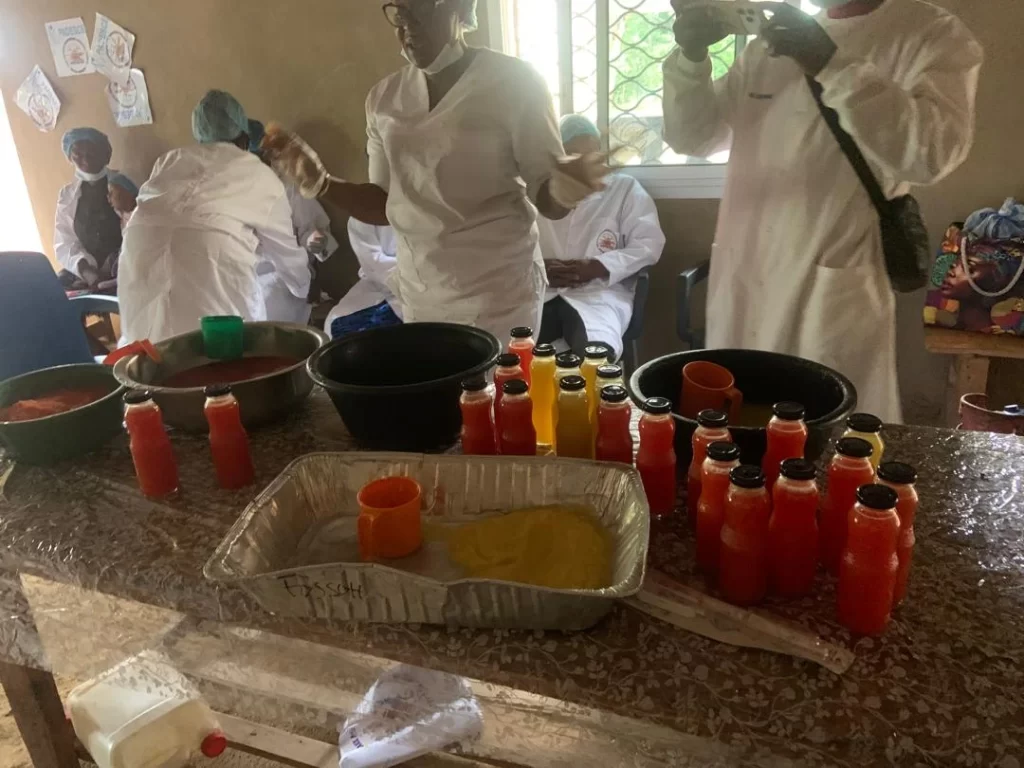
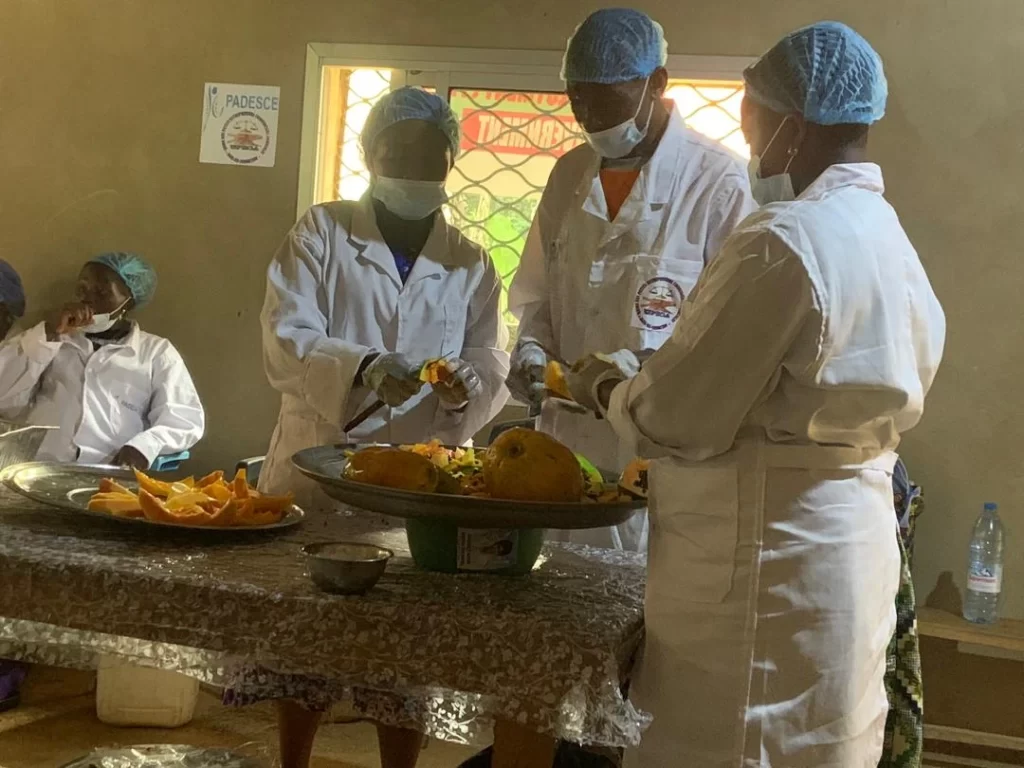
What “Skill development” means in practice
Skill development is not just classroom teaching. In food processing, it means learning how to do the work correctly and safely so products are consistent and customers trust them.
In practical terms, it can include:
- preparation and sorting of raw materials
- simple processing steps and proper timing
- hygienic handling and safe production habits
- packaging and storage techniques
- understanding product quality and presentation
When people learn these skills, they are not only improving how they process food. They are improving their chances to earn.
UNDA’s approach: hands on training with real outcomes
UNDA’s focus on skill-building is designed to create lasting impact, not temporary support. The emphasis is on empowering people with usable knowledge that can be applied immediately.
In communities across the Mbo setting, training experiences often involve demonstrations and guided practice so learners can build confidence.
This matters because food processing is both practical and sensitive. Small mistakes can affect taste, safety, shelf life, and customer acceptance. With proper Skill development, families learn the “how” and the “why,” making it easier to repeat results and improve over time.
How families earn more with food processing skills
One of the biggest outcomes of Skill development is income improvement. When families can process food effectively, they can:
- sell more than raw produce
- diversify products and target different buyers
- reduce post-harvest losses
- keep products longer, even when demand changes
- move from “selling at the farm” to “selling packaged value”
Value-added products typically sell at better prices, giving households more financial freedom for school fees, healthcare, and farming inputs.
Building quality, safety, and consistency in processed foods
f processed food is to succeed in the market, quality cannot be guessed—it must be practiced.
Through targeted Skill development, participants learn core habits that support:
- cleanliness in preparation areas
- safe handling of ingredients and equipment
- consistent steps that reduce variation
- appropriate storage to maintain freshness
- packaging choices that improve shelf appeal and safety
These improvements increase customer confidence. And once customers trust products, sales become more stable.
From training to long term businesses
Training should lead somewhere. That means learners must be supported to turn skills into income pathways.
As families grow their processing abilities, they can:
- start micro-businesses within the home
- supply local buyers, neighbors, and markets
- form small groups for shared production roles
- plan production around market seasons
Over time, Skill development helps communities build local enterprises instead of relying only on seasonal sales.
What the community can do to support growth
Community support helps skills last. When leaders, parents, and youth participate, the impact spreads faster.
Practical ways Upper Nkongho Mbo can reinforce this work include:
- encouraging learners to practice regularly
- supporting local buyers of processed foods
- creating community notice systems for products available
- helping trainees connect with buyers and informal markets
Also, families can share lessons with others. Skills spread when people see results.
For additional learning on food processing, nutrition, and food safety standards:
- DoFollow: FAO – Food safety
- DoFollow: WHO – Food safety
- DoFollow: UNDP – Sustainable livelihoods