

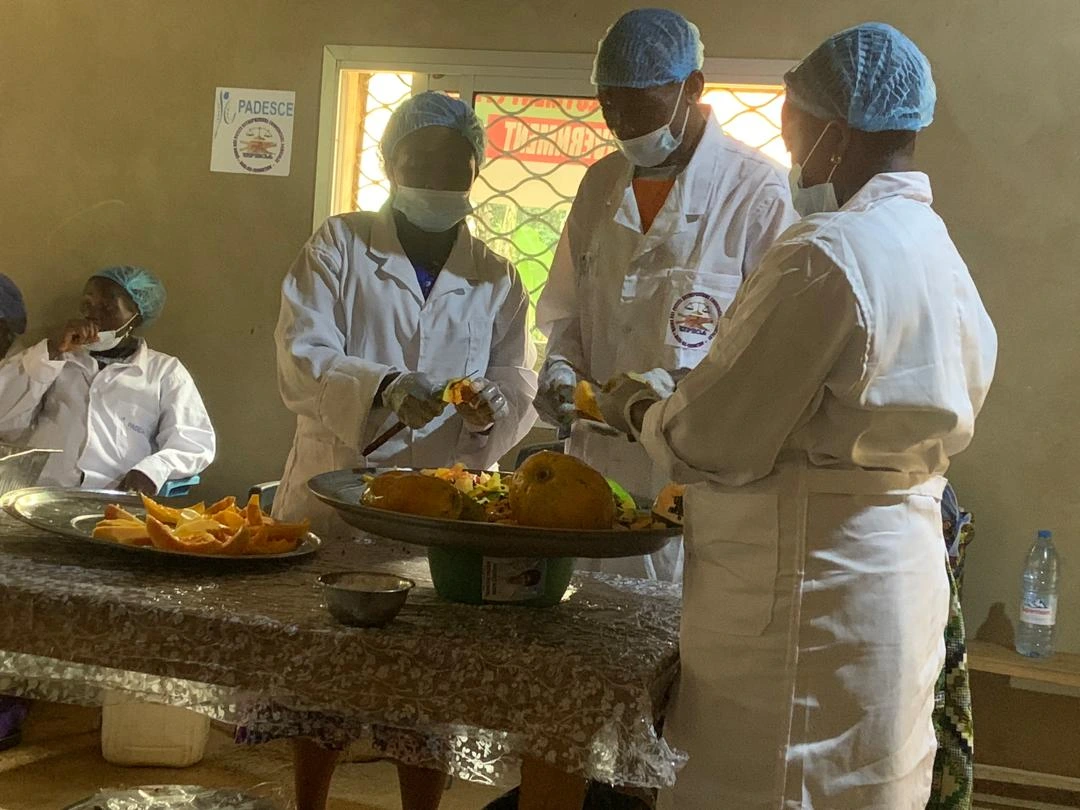

In Upper Nkongho Mbo, many families depend on farming and seasonal harvests. But after harvest, the real test begins: how to preserve food, add value, and earn better income even when prices drop.
That is where Skill development becomes a powerful solution.
With practical training in food processing, families gain the ability to turn raw produce into saleable products helping them create jobs, reduce waste, and strengthen household resilience. This is exactly the direction UNDA is supporting, showing communities that learning can lead to income, stability, and long-term growth.
The challenge families face with food processing
Many Mbo households want to earn more from what they produce. However, challenges often block progress:
- Limited training on processing methods
- Poor understanding of quality control and packaging
- Difficulty in preserving food for longer periods
- Lack of business skills to sell consistently
When these gaps remain, harvest becomes a cycle of losses. Food spoilage increases. Opportunities shrink. And families struggle to benefit from their own labor.
What “Skill development” means in practice
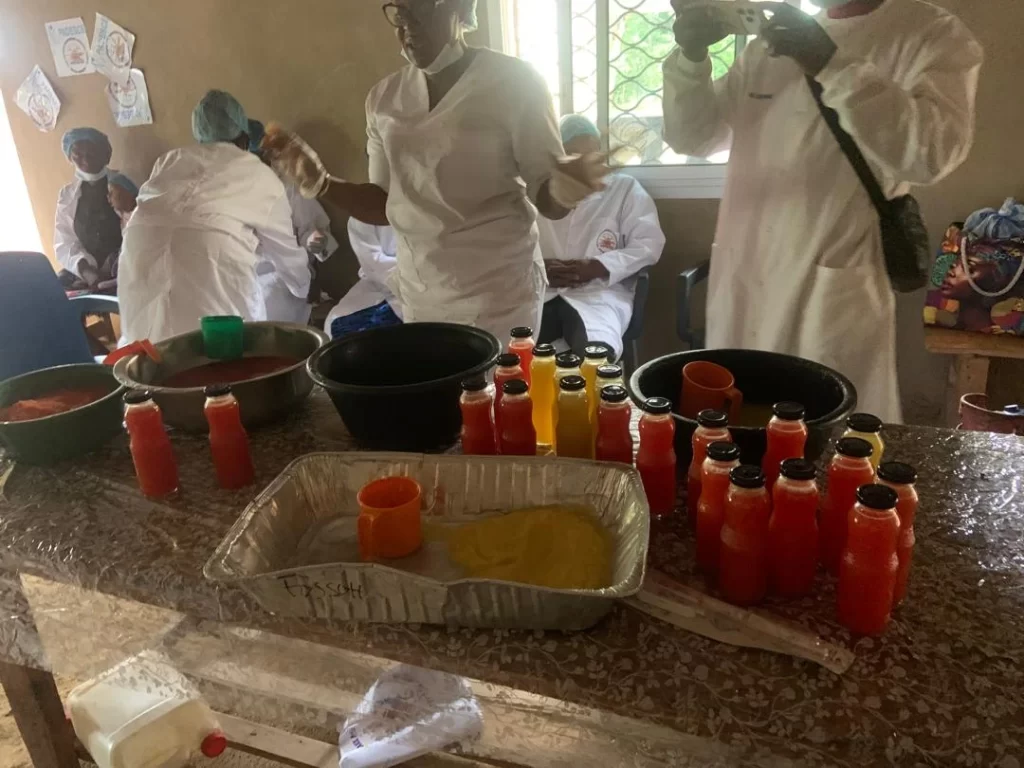
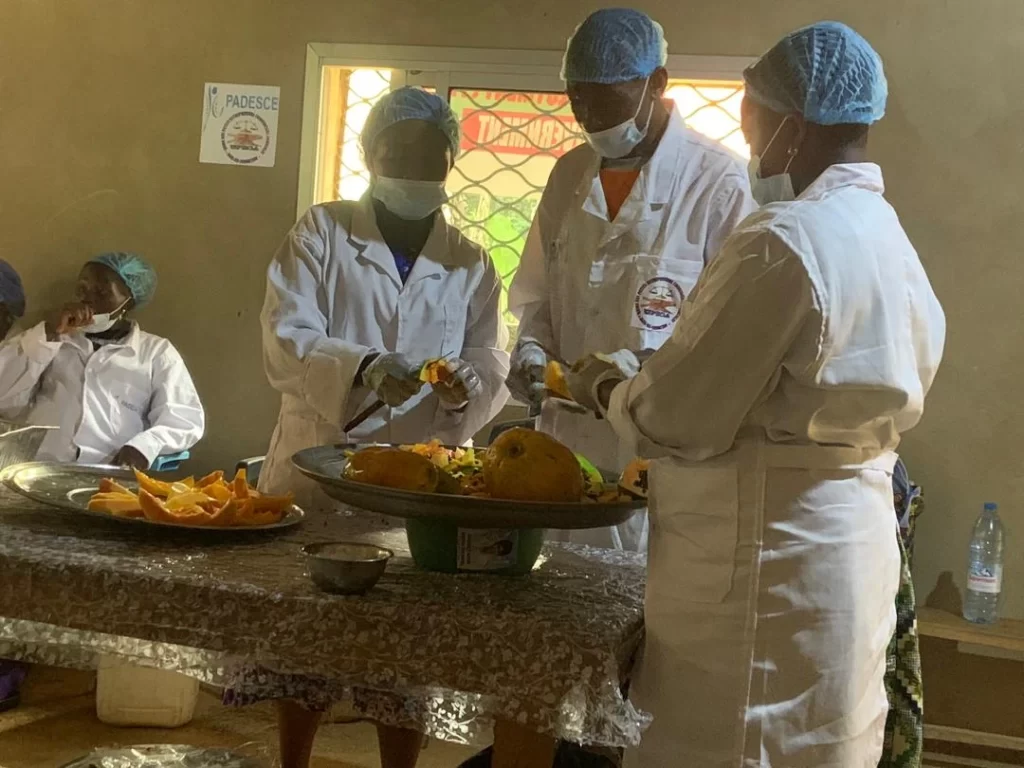
Skill development is not just classroom teaching. In food processing, it means learning how to do the work correctly and safely so products are consistent and customers trust them.
In practical terms, it can include:
- preparation and sorting of raw materials
- simple processing steps and proper timing
- hygienic handling and safe production habits
- packaging and storage techniques
- understanding product quality and presentation
When people learn these skills, they are not only improving how they process food. They are improving their chances to earn.
UNDA’s approach: hands on training with real outcomes
UNDA’s focus on skill-building is designed to create lasting impact, not temporary support. The emphasis is on empowering people with usable knowledge that can be applied immediately.
In communities across the Mbo setting, training experiences often involve demonstrations and guided practice so learners can build confidence.
This matters because food processing is both practical and sensitive. Small mistakes can affect taste, safety, shelf life, and customer acceptance. With proper Skill development, families learn the “how” and the “why,” making it easier to repeat results and improve over time.
How families earn more with food processing skills
One of the biggest outcomes of Skill development is income improvement. When families can process food effectively, they can:
- sell more than raw produce
- diversify products and target different buyers
- reduce post-harvest losses
- keep products longer, even when demand changes
- move from “selling at the farm” to “selling packaged value”
Value-added products typically sell at better prices, giving households more financial freedom for school fees, healthcare, and farming inputs.
Building quality, safety, and consistency in processed foods
f processed food is to succeed in the market, quality cannot be guessed—it must be practiced.
Through targeted Skill development, participants learn core habits that support:
- cleanliness in preparation areas
- safe handling of ingredients and equipment
- consistent steps that reduce variation
- appropriate storage to maintain freshness
- packaging choices that improve shelf appeal and safety
These improvements increase customer confidence. And once customers trust products, sales become more stable.
From training to long term businesses
Training should lead somewhere. That means learners must be supported to turn skills into income pathways.
As families grow their processing abilities, they can:
- start micro-businesses within the home
- supply local buyers, neighbors, and markets
- form small groups for shared production roles
- plan production around market seasons
Over time, Skill development helps communities build local enterprises instead of relying only on seasonal sales.
What the community can do to support growth
Community support helps skills last. When leaders, parents, and youth participate, the impact spreads faster.
Practical ways Upper Nkongho Mbo can reinforce this work include:
- encouraging learners to practice regularly
- supporting local buyers of processed foods
- creating community notice systems for products available
- helping trainees connect with buyers and informal markets
Also, families can share lessons with others. Skills spread when people see results.
For additional learning on food processing, nutrition, and food safety standards:
- DoFollow: FAO – Food safety
- DoFollow: WHO – Food safety
- DoFollow: UNDP – Sustainable livelihoods
ABOUT US – UNDA